






Earning authority in the age of AI: takeaways from our Open Dialogue panel

Aug 28, 2026
3 min
Can a client shortlist your firm without ever visiting your website? Increasingly, yes. They ask an AI model to compare a handful of architects, engineers or construction firms and get an answer back in seconds, forming a view of your capability before a single human conversation happens.
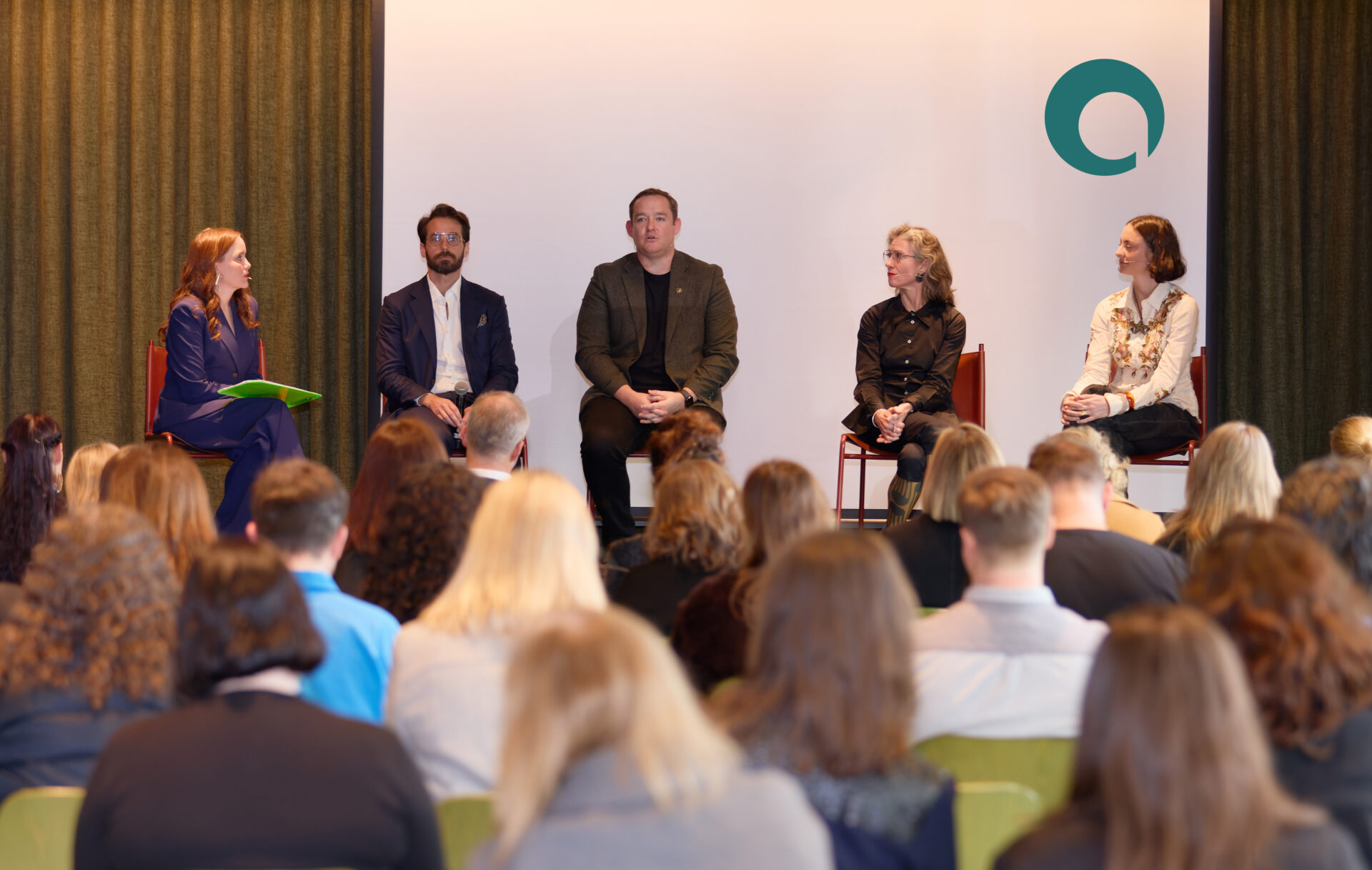
That’s the shift we sat down to unpack at Open Dialogue: Earning Authority in the Age of AI, held at Hyde Melbourne Place on 20 July with marketing, bids and growth leaders from firms across Australia’s built environment. On our panel:
- A global CMO, watching client relationships move earlier in the funnel
- An AI practitioner tracking where search behaviour is heading, not where the hype says it is
- A communications lead on whether firms are structurally ready to act on AI
- A communications lead on who gets to speak for the firm
Watch the full panel below, and read on for takeaways you can put into practice this week.
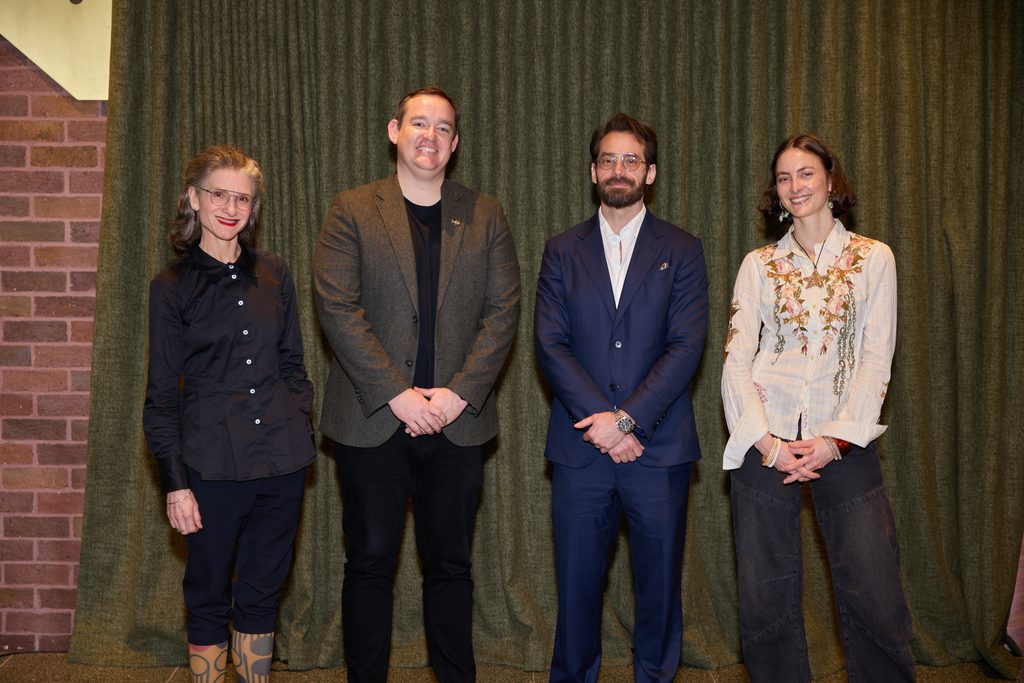
The panel
- Derek Ries, Chief Marketing Officer, OpenAsset
- Rye Smith, Managing Director, FutureDeployed and Community Ambassador for Claude
- Kirsten Trengove, Communications Lead, ARM Architecture
- Isabella White, National Communications Manager, Architectus
Key Takeaways
1. Authority is earned months before the RFP lands
Derek’s read was clear: the firms winning right now compete on focus, not volume. They’ve narrowed hard on specific sub-industries and buyer committees, and they know those clients’ problems inside out.
Relationships are shifting higher up the funnel. If a client only finds out how you’re different at proposal stage, that ship has sailed. Account-based thinking matters more than it used to, whether that’s one-to-one with a single high-value client or one-to-few across a sub-industry or region.
2. You’re writing for humans and robots now, and generic content fails both
If your public footprint reads as generic, AI will hand back a generic profile of your firm. No way around it.
The panel’s advice for cutting through: author bylines, expert opinion pieces, subject matter expert interviews, and content that ties what you know to what you’ve built. We’ve made this case before too, in “How AEC marketing must change for the age of AI.”
The human side got equal airtime. Derek’s view is that hosted events, sponsorships and activations matter more for building mindshare, not less.
3. Individual voices are beating corporate channels
Isabella’s take on corporate versus individual voice sparked the most discussion in the room. Media consumption is fragmented now. One core brand campaign doesn’t land the same way for everyone anymore, and individual voices earn trust because they inform and entertain rather than constantly sell.
AI search behaviour reinforces this too. It tends to reward a chorus of expert voices over a single branded channel. For an 800-person firm like Architectus, that changes what the comms team does: less brand enforcement, more time spent finding the right voices and getting out of their way.
Isabella was careful to add that this only works if you’re platforming a genuine spread of voices, not just amplifying the same handful. What has to stay human, in her words, is refusing to outsource the firm’s actual point of view and judgement.
4. Don’t throw out search fundamentals chasing the AI hype
Rye grounded the AI conversation in search data. By his estimate, traditional search still accounts for roughly 85 to 90 percent of research, with AI search sitting around 10 to 12 percent. SEO fundamentals haven’t gone anywhere. His to-do list for marketing teams:
- Get schema markup sorted. Most of your competitors haven’t.
- Summarise your articles and case studies clearly. AI scans for concise context, so give it some.
- Publish an llms.txt file so AI agents have somewhere to go for context on your firm, your projects and your people. Rye thinks there’s a real first-mover window here before it becomes table stakes.
- Build your third-party signals. Press coverage, backlinks and especially awards carry extra weight now, because AI actively cites them when it answers.
5. Wanting to adopt AI isn’t the same as being ready to
Kirsten’s angle is one I think this industry needs to hear more often: brand strategy itself hasn’t changed much. What’s changed is the mechanism for executing it.
The barrier that gets overlooked is organisational change capacity, especially in bid environments where data integrity and client confidence are critical.
On the environmental cost of AI, her line was “everything in moderation.” Firms need to know their own moral position and operate by it, even when that occasionally differs from their company’s official position, and she wants AI governance to extend beyond IP protection to cover sustainability too.
Isabella took that further: if AI’s environmental impact matters to your firm’s values, act on it directly, including writing to your local government representative. Several panellists agreed that meaningful change here needs to come from policy, not individual firm action alone.
6. AI levels the field, which makes the human layer the whole game
The room agreed AI raises the floor for smaller, less-resourced firms. It shrinks the advantage that used to come from just having more people or more budget, which makes the human layer count for more, not less.
The idea that came up across all four speakers: automation should buy back time for higher-value thinking and connection, not just push out more content faster. Anyone on a bid team under pressure will know exactly what that trade-off feels like.
The speed round turned all of this into actual homework:
- Go back through your last five to ten wins and find your repeatable ideal client.
- Run AI-generated answers against that profile and see how close they get.
- Audit your daily workflows for the boring automation wins sitting right there.
- Start building your next generation of internal brand ambassadors, especially the younger staff who tend to pick this up fastest.
The closing challenge
The architecture, engineering and construction firms that get recommended, by clients and by AI, will be the ones whose expertise is visible and backed by real project detail that no competitor and no AI can fake.
My challenge for the marketing, bid and growth leaders who were in the room: promote your own contribution, not just the comms and wins you help produce. It’s important we share our contributions to the built environment.
Watch the full conversation above, and if it sparks something, I’d love to hear it. Better yet, send it to your marketing or bid team and pick one thing from the speed round to try this quarter.
Thanks again to Derek, Kirsten, Isabella and Rye for showing up with so much to give. Follow OpenAsset on LinkedIn to hear about what’s next.
Caroline Caneva has spent over twenty years inside the architecture, design, and construction industry — working alongside the practitioners, understanding the pressures, and building the kind of marketing that moves things forward in this sector. Her career spans marketing and growth leadership at some of Australasia’s most recognised design practices, including a full rebrand across eleven studios at Plus Studio. Seven years at the Design Institute of Australia gave her a sector-wide view of the professional community, and her contribution to Australian design was awarded with an Honorary Fellowship (FDIA hon).
Caroline’s experience now informs her work as a speaker, writer, and advocate for how technology and AI can practically transform the way built environment firms market themselves and win work.