






How to choose the perfect AI tool to unleash your AEC strategy

Oct 6, 2025
3 min
In the world of AEC marketing, creativity is often buried under deadlines, data hunts, and formatting headaches. That’s where AI steps in: not to take your job, but to give you the time and tools to do it better.
The right AI tool doesn’t replace strategic thinking; it frees you to focus on it. It takes care of the tedious, repeatable tasks so you can concentrate on storytelling, vision, and the pursuit strategies that win more work. AI has assisted the construction industry, architecture industry, and engineering industry in new and exciting ways, and with more use cases appearing all the time.
But not all AI tools are built for AEC. And not all are built to support you — the proposal manager, the marketer, the person responsible for making the next bid better than the last. Here’s what to look for when choosing an AI solution that supports your role, your team, and your goals.
Effective AI tools are specific
A tool made for everyone is not made for you.
A recent MIT report proved that point with a massive headline: 95% of companies trying to incorporate AI are failing to do so. But dig deeper into the report, and there’s a much more optimistic statistic. When the MIT report looked specifically at AI solutions from specialized vendors, the success rate skyrocketed to 67%. You don’t want to be part of the 95% falling short; you want to be an AI success story with a tool tailor-made for your needs.
That’s why it’s important to focus on AI platforms specifically made for architects, engineers, and contractors.
It’s even better, however, to focus on tools built for a specific task or function within that field. For example, Versatile’s CraneView tracks crane usage on project sites.
That’s why OpenAsset launched Shred.ai, an AI-powered proposal assistant purpose-built for AEC marketers.
Unlike generic AI tools, Shred.ai is designed to understand the unique structure, workflows, and deadlines that define your world. It doesn’t replace your expertise; it enhances it, helping you focus on strategy, storytelling, and winning the work that matters.
Shred.ai streamlines proposal creation by surfacing previously approved content, auto-tagging project details, and ensuring brand compliance — fast.
Whatever tool your firm is looking for — a proposal writing tool, a real-time equipment tracker, or a digital asset management platform — the key is choosing technology that works with your team, not around it.
Top types of AI tools for AEC teams
AI in AEC isn’t just about robots or futuristic job sites. It’s already here, quietly reshaping the way firms pursue work, manage projects, and operate safely.
Here are some of the most impactful categories of AI tools making a difference right now:
- Generative Design Tools: Use algorithms to explore design options quickly, factoring in site constraints, materials, and cost scenarios.
- Predictive Safety Platforms: Analyze jobsite data to flag high-risk activities, forecast safety incidents, and automate reporting.
- Construction Scheduling AI: Optimize sequencing, identify bottlenecks, and adjust timelines based on real-time field inputs.
- Proposal Writing Assistants: Help marketing teams generate RFP responses, pull in past content, and ensure compliance, cutting hours off proposal timelines.
- Image Recognition & Site Monitoring: Automate progress tracking and safety checks using AI to analyze photos, drone footage, or 360-degree captures.
- Energy & Sustainability Analyzers: Evaluate building performance, suggest greener alternatives, and ensure projects align with carbon goals.
When your construction, architecture, or engineering firm is looking for a new AI-powered platform, keep in mind the following points.
Effective AI tools come from industry experts
It’s no secret that AI is a bit of a Wild West right now. Venture capital is throwing millions at anyone with an idea and a handful of programmers. It’s an AI arms race.
Software giants continue making immense promises, but some have a harder time backing them up.
Here’s the thing: From preventative maintenance to analyzing massive data sets, a lot of AI’s selling points have been around for longer than you think. We just used different names, like the Industry of Things.
You don’t need to gamble on an unproven startup because AI tools designed for AEC have been understanding your unique pain points for over a decade. These companies, such as OpenAsset’s digital asset management platform, already know what you need to do your job effectively, because they’re the same ones developing the foundational tools you already use every day.
Effective AI tools show their work
AI tools are only as strong as the data they’re trained on, which means transparency matters. Rather than blindly trusting results, the best AI platforms for architecture, engineering, and construction teams make it easy to verify their outputs.
That means surfacing source material, showing you where insights came from, and keeping everything traceable. You stay in control, and the AI stays accountable. When done right, AI doesn’t just save time — it builds trust.
Shred.ai is a perfect example of how to do this. Shred.ai is designed to be an AEC proposal writer’s best friend, assisting them from start to finish. Every step of the way, it doesn’t just give input, but explains and links to why you’re seeing that input.
When you ask it to search your database for past proposals, it links directly to the relevant projects so you can easily review and follow up. When it detects a formatting requirement in an RFP, it links directly to where it found it. And when it surfaces old statements for boilerplate copy, it shows you the source so that you can understand the full context.
Effective AI tools minimize tedious tasks
Despite the sometimes lofty promises being made by Silicon Valley, AI can’t out-think you. It is no substitute for a trained, seasoned professional.
If someone promises a tool that can do your job for you, temper your expectations.
But there are areas where AI tools shine by taking over the tedious, time-consuming tasks you shouldn’t have to do manually — freeing you up to focus on the work that actually moves projects forward.
It can analyze vast swathes of data in a fraction of the time. It can utilize institutional knowledge locked away in dusty corners of your database. And it is an army of one, able to see the full scope of your company’s projects, past and current, without wasting time searching for old files or in unnecessary meetings.
Try AI before you buy, and look for demos
In the race to adopt AI, it’s easy to get swept up by product promises, especially when features are evolving fast. But when you’re choosing an AI tool, what matters most is how it performs in your workflow, not just what’s on the roadmap.
That’s why it’s worth digging deeper. If you are able, try a demo or free trial before you commit, particularly if it’s a company you haven’t worked with before.
Test real tasks using the kinds of projects, documents, or workflows your team handles regularly. See if it’s intuitive for your team, and whether the results are transparent and easy to verify.
Some tools sound great in theory, but aren’t quite ready to deliver on every promise. That doesn’t mean they aren’t valuable. It just means you need to understand their current capabilities.
Look for vendors who are upfront about what their tool does today, not just what’s coming tomorrow. And make sure you’re not locked into long contracts before you’ve had a chance to put the product to the test.
Identify any important integrations
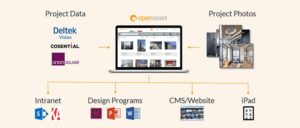
AI is powerful, but it’s even more effective when it works with your existing tech stack, not around it. When evaluating tools, take the time to understand how they fit in your existing workflows and tech stack. Whether it’s a CRM, a digital asset management system, or your project database, AI tools can enhance your current workflows instead of forcing you to rebuild them.
Get an AI writing assistant built specifically for AEC proposals
AI is not an effective replacement for qualified, smart, hard-working humans who are good at their job. Instead, think of AI tools as an assistant, the same way you would any other software.
Shred.ai helps you respond faster, stay compliant, and tap into your firm’s collective knowledge — all without replacing the strategy, storytelling, and experience only you can bring.
With over 10 years of content management experience, Janelle Poisel has a proven track record of crafting compelling narratives and delivering content that resonates with B2B audiences. She is dedicated to helping teams learn how to meet their audience with the right content, at the right place, and at the right time as they navigate their unique customer journeys.