






6 tips for managing high-pressure deadlines
Dec 23, 2023
Last updated: April 27, 2026
Deadlines are a universal part of working in any industry. They come with pressure that can leave you feeling anxious, stressed, and overwhelmed — and those feelings have a real impact on your productivity and your health. But they don’t have to.
There are practical, proven ways to handle high-pressure deadlines without burning out in the process. In this blog, we’re sharing six tips to help you manage tight deadlines more efficiently, so you can reduce stress, do better work, and find more balance in your work life.
Key takeaways
- Tight deadlines remain a leading cause of workplace stress — over half of employees cited them as a top pressure source in 2025.
- Sustainable deadline management reduces burnout risk and improves project quality by balancing speed with recovery time.
- AI-driven tools can reduce stress by automating routine tasks and helping teams automate tasks and meet goals without overtime.
- Centralized asset platforms like OpenAsset streamline collaboration, cutting time spent chasing files when pressure is high.
Table of contents
Why managing high-pressure deadlines matters in 2026
6 proven tips for managing high-pressure deadlines
- Tip 1: Create a checklist
- Tip 2: Prioritize the most difficult tasks
- Tip 3: Create fake deadlines
- Tip 4: Leverage your tech stack & AI to create efficiencies
- Tip 5: Take a quick break
- Tip 6: Ask for help
- Bonus Tip: Get into good habits
Manage High-pressure deadlines with OpenAsset
Why managing high-pressure deadlines matters in 2026
If you’ve felt like deadline pressure has gotten more extreme and frequent over the years, you’re not alone.
According to a 2025 workplace stress survey, deadlines are the number one cause of work-related stress, cited by 55% of employees. Interpersonal relationships (53%), staff management (50%), and unexpected issues (49%) round out the top four.
This has led to many employees feeling burnt out, unmotivated, and less capable of the high performance they once prided themselves on. It has also caused employees to suffer from emotional and physical health problems that extend into their personal lives. A 2024 American Psychological Association report found that 67% of workers experienced at least one symptom of burnout in the previous month — whether that was low energy, lack of motivation, or feeling isolated at work. Meanwhile, a 2026 report claims 77% of employees say that workplace stress directly affects their physical health.
All of this paints a clear picture: when deadlines cause stress, it has a ripple effect throughout your life, your work, and your company. AEC marketers, who often work in small teams with high workloads, are especially prone to burnout.
Fortunately, these outcomes aren’t inevitable. With the right strategies, you can take control of your workload, protect your wellbeing, and still deliver great work, even on a tight timeline.
6 proven tips for managing high-pressure deadlines
Here are six ways to ease your nerves and make work feel more manageable:
1. Create a checklist
It’s normal to feel overwhelmed when you have a heavy workload and tight deadlines. So normal, in fact, according to workplace stress statistics, 83% of US workers suffer from work-related stress, with 25% saying their job is the number one stressor in their lives. Additionally, about one million Americans miss work each day because of stress.
One way to take away from these scary statistics? By making projects more manageable.
When you’re juggling a heavy workload, your mind can feel cluttered and unfocused. One of the simplest and most effective ways to cut through the noise is to make a detailed checklist. Break down each project into smaller, manageable tasks and tick them off as you complete them.
It sounds simple, but the psychology behind it is real. “Completing” a task — even a small task on a checklist — creates a sense of short-term gratification, which triggers dopamine and produces feelings like motivation, satisfaction, and momentum. Each checkmark is a small win that keeps you moving forward.
Keeping a checklist also creates a clear roadmap and makes everything feel a bit less chaotic. Creating an external system to keep track of projects means you don’t have to hold everything in your head anymore. And that frees up brain space to actually do the tasks.
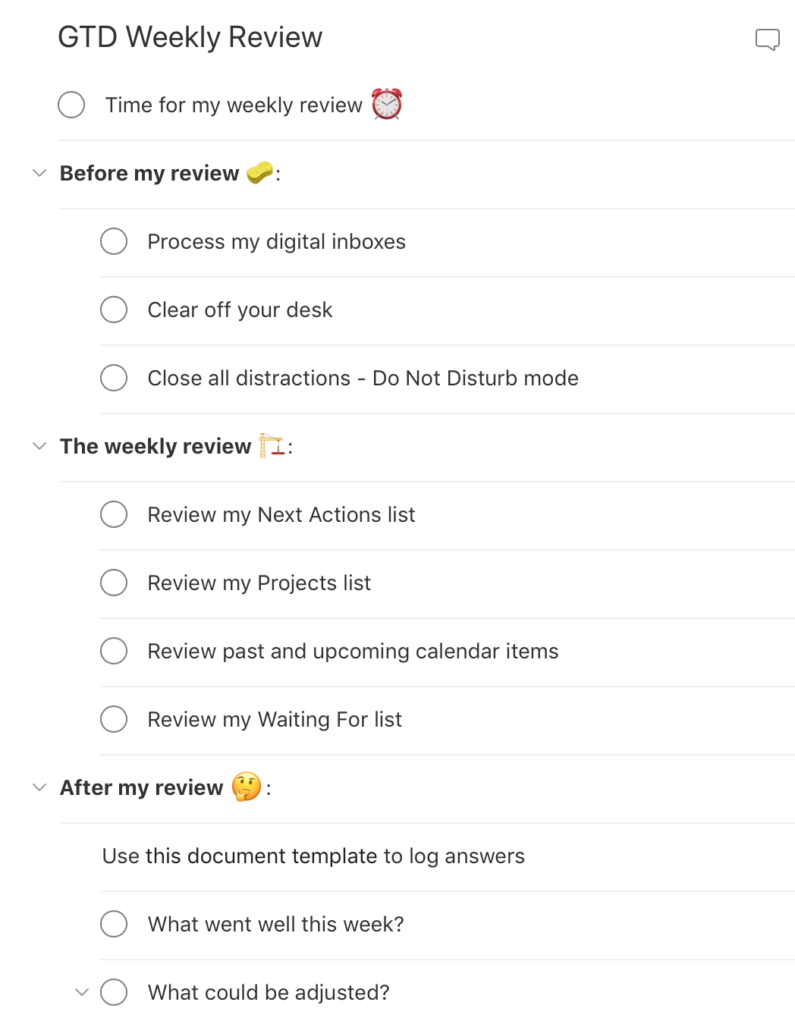
| TIP: Improve your productivity by leveraging checklist apps and check out the 7 best to-do list apps in 2026 by Zapier. |
2. Prioritize the most difficult tasks
Once your checklist is made, look at it critically. Not all tasks are made equal, so don’t treat them that way. Assess the urgency and complexity of each task and prioritize accordingly.
Research from the Kellogg School of Management at Northwestern University found that people instinctively gravitate toward easy tasks first (a quick email, a short call). However, using this method has proven to negatively affect productivity over time. This is because finishing something hard creates a strong sense of accomplishment that fuels motivation for the rest of the day.
Beyond the psychological boost, there’s also a practical benefit: Getting your hardest tasks done early reduces the pressure as a deadline approaches. You’re not scrambling at the last minute on the work that requires your most careful thinking.
You should also be mindful of how your energy fluctuates throughout the day. Reserve your peak energy hours for the tasks that demand the most of you.
3. Create fake deadlines
Here’s a counterintuitive trick that works: if your project is due Friday at 5 pm, plan to finish it by end of day Thursday.
Setting a personal deadline a day or two ahead of the real one might feel like extra pressure, but it’s actually the opposite. It creates a buffer for unexpected problems, gives you time to review and refine your work before submitting, and dramatically reduces last-minute panic. It also increases the likelihood that you’ll meet the real deadline.
Treat your fake deadline as the real one. When Friday arrives, you’ll either be done, or you’ll have a full day of breathing room to polish the final product. Either way, you win.
4. Leverage your tech stack & AI to create efficiencies
In 2026, automation and the right tech stack allows us to accomplish tasks in seconds that used to take hours. AI tools especially can take a lot off your plate by taking care of repetitive tasks, preliminary research, and first passes on projects.
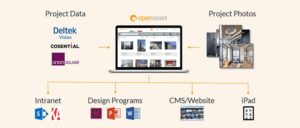
Start with what you already have. Leverage project management tools like Asana or Wrike to help your team collaborate and stay aligned with timelines and acountability. Communication tools like Slack cut down on long email chains and help you get answers faster. If your team is constantly hunting for files, try cloud-based digital asset management (DAM) tools like OpenAsset to give everyone instant access to the photos, assets, and project information they need.

The stakes are especially heavy on proposal teams in the architecture, construction, and engineering industry (AEC). Teams that experience high stress levels take, on average, 13 extra hours per RFP compared to teams with manageable stress levels. However, this additional time invested in RFPs doesn’t always lead to better success rates. In fact, teams under significant stress typically have a win rate that’s 6% lower than that of their less-stressed counterparts.
Fortunately, AI tools can significantly close the gap of both stress and productivity. Proposal writers at AEC firms can use AI-assisted proposal writing tools like OpenAsset’s Shred to intelligently analyze an RFP and suggest past projects, resumes, biolerplate text, and photos, and other assets to include in a proposal.
This drastically cuts down time spent finding relevant content, which helps AEC marketers work faster, more calmly, and with less pressure. These time savings are especially important when you consider that about 50% of an AEC marketing team’s time is spent writing proposals, according to our 2024 State of AEC Marketing report.
Whether it’s AI tools for drafting proposals, automated dashboards for project tracking, or a DAM system to eliminate file-chasing, the right tech stack doesn’t just save time, it reduces the pressure that leads to burnout.
As Rachelle Ray, our in-house AEC marketing expert says:
“There are so many amazing technologies available to us today that weren’t available 10, 15 years ago when I started.” – Rachelle Ray, Head of AEC Marketing Innovation at OpenAsset
So take advantage of them!
5. Take a quick break
This may sound counterintuitive for meeting deadlines, but sometimes it helps to stop and walk away for a little while. Step away from your work for a few minutes, stretch, take a walk, or practice deep breathing. These quick breaks can help clear your mind, reduce stress, and maintain a high level of performance throughout the day.
Not convinced? A study by the Draugiem Group found that employees who took consistent breaks were more productive than their peers. The study concluded that the ideal work rhythm to sustain performance and promote well-being was 52 minutes of work, followed by a 17-minute break. Research from the National Library of Medicine also affirms that including rest and recovery periods in your work process is crucial for decreasing long-term strain, which helps reduce stress and burnout.
It’s also important to create larger mental breaks by enforcing boundaries between your work and home life. If you’re constantly responding to slack messages at 10 PM, you’re never fully letting your brain rest and refresh itself. Set a boundary with yourself and your team where you only work and respond to messages within your designated working hours, or consider removing your work email or slack from your personal phone or computer.
6. Ask for help
Deadlines can feel a lot more stressful if you’re facing them alone. Although we often avoid asking for help out of fear that we’re inconveniencing others or will appear less competent, Stanford psychologist Xuan Zhao says that others want to help us more than realize. People, in general, are prosocial: we want to connect with others and feel positive emotions when we know we’ve helped someone.
However, you do have to ask for assistance rather than hoping your coworkers can see you’re overwhelmed and reach out on their own accord. Research from the Harvard Business Review suggests that 75% to 90% of the help coworkers give each other happens in direct response to a request.
Here are a few concrete ways to get support from your colleagues:
- Share your workload: A colleague might have extra bandwidth you don’t know about. Ask if they can help with your project.
- Get a second perspective: A fresh set of eyes often spots shortcuts or solutions you’ve overlooked. By reaching out to others for advice or to review your work, you might get valuable input that makes your project easier.
- Request an extension: Deadlines aren’t always set in stone. If something is genuinely unachievable within the originally planned timeline, it’s worth having that conversation with your supervisor or team.
- Don’t over-promise: Communication goes both ways. If a deadline isn’t realistic, say so upfront rather than agreeing and scrambling later.
Sharing the load can provide new perspectives, spark creativity, and ensure you’re not carrying the burden alone. Remember, asking for help is a sign of strength, not weakness.
Bonus tip: Get into good habits
Sometimes, the best way to manage high-pressure deadlines is to build a structure, routine, and habits that make them less overwhelming in the first place. While routine isn’t very glamorous, it’s key to creating a foundation that makes the rest of your life easier — including work.
Here are some lifestyle changes that, while not directly related to your deliverables, can have a domino effect on making your work less stressful and more productive.
- Get good sleep: According to this 2025 research from the National Sleep Foundation, getting consistent, quality sleep gives you better memory, sharper focus, and greater stamina. Going to bed at roughly the same time each night might sound basic, but its impact on your cognitive performance is well-documented. A well-rested brain handles pressure far better than an exhausted one.
- Keep your workplace organized: Clutter is cognitively distracting, and has been proven by neuroscience to overstimulate your brain and boost feelings of stress and anxiety. A tidy workspace creates less mental noise and makes it easier to focus on what matters. The same principle applies to your digital workspace: organized files and clear folder structures mean less time frantically searching and more time calmly doing.
- Maintain a healthy diet: Don’t underestimate the value of a balanced, varied, and consistent diet. Skipping meals during crunch periods might feel productive, but it depletes your energy and focus faster than almost anything else. Nourishing your body during high-pressure times is part of doing your best work.
Manage high-pressure deadlines with OpenAsset
Unfortunately, managing high-pressure deadlines may never vanish. So, leverage the tools you have, take a deep breath, and control what you can. There’s a lot you can do to feel better about your workload and the deadlines attached to it, including implementing technology like OpenAsset DAM or OpenAsset Shred.
Request a demo today to get started.